Leave a Message

Thank you for your message. I will be in touch with you shortly.

Explore My Properties
Palo Alto

Palo Alto

Benefits from Northern California’s broader allure—from national parks to the urban excitement of San Francisco.

Overview for Palo Alto, CA

67,231 people live in Palo Alto, where the median age is 42.5 and the average individual income is $121,565. Data provided by the U.S. Census Bureau.

67,231

Total Population

42.5 years

Median Age

High

Population Density Population Density This is the number of people per square mile in a neighborhood.

$121,565

Average individual Income

Schools in Palo Alto, CA

All ()
Primary Schools ()
Middle Schools ()
High Schools ()
Mixed Schools ()
The following schools are within or nearby Palo Alto. The rating and statistics can serve as a starting point to make baseline comparisons on the right schools for your family. Data provided by the U.S. Census Bureau.
Type
Name
Category
Grades
School rating

Around Palo Alto, CA

There's plenty to do around Palo Alto, including shopping, dining, nightlife, parks, and more. Data provided by Walk Score and Yelp.

17
Car-Dependent
Walking Score
69
Bikeable
Bike Score
24
Minimal Transit
Transit Score

Points of Interest

Explore popular things to do in the area, including Kathmandu Cuisine Los Altos, Levity Fit, and Archers Oasis.

Name Category Distance Reviews
Ratings by Yelp
Dining 1.98 miles 10 reviews 5/5 stars
Active 0.46 miles 10 reviews 5/5 stars
Active 2.92 miles 40 reviews 5/5 stars
Active 2.82 miles 24 reviews 5/5 stars
Active 2.39 miles 11 reviews 5/5 stars
Active 1.64 miles 13 reviews 5/5 stars

Demographics and Employment Data for Palo Alto, CA

Palo Alto has 26,054 households, with an average household size of 2.55. Data provided by the U.S. Census Bureau. Here’s what the people living in Palo Alto do for work — and how long it takes them to get there. Data provided by the U.S. Census Bureau. 67,231 people call Palo Alto home. The population density is 2,795.34 and the largest age group is Data provided by the U.S. Census Bureau.

67,231

Total Population

High

Population Density Population Density This is the number of people per square mile in a neighborhood.

42.5

Median Age

48.49 / 51.51%

Men vs Women

Population by Age Group

0-9:

0-9 Years

10-17:

10-17 Years

18-24:

18-24 Years

25-64:

25-64 Years

65-74:

65-74 Years

75+:

75+ Years

Education Level

  • Less Than 9th Grade
  • High School Degree
  • Associate Degree
  • Bachelor Degree
  • Graduate Degree
26,054

Total Households

2.55

Average Household Size

$121,565

Average individual Income

Households with Children

With Children:

Without Children:

Marital Status

Married
Single
Divorced
Separated

Blue vs White Collar Workers

Blue Collar:

White Collar:
Commute Time

0 to 14 Minutes
15 to 29 Minutes
30 to 59 Minutes
60+ Minutes

Property Listings

Search Homes

Welcome to Palo Alto

Palo Alto Lifestyle and History - Stu Shepherd | Renovato & Co.

What is it like to live in Palo Alto?
 
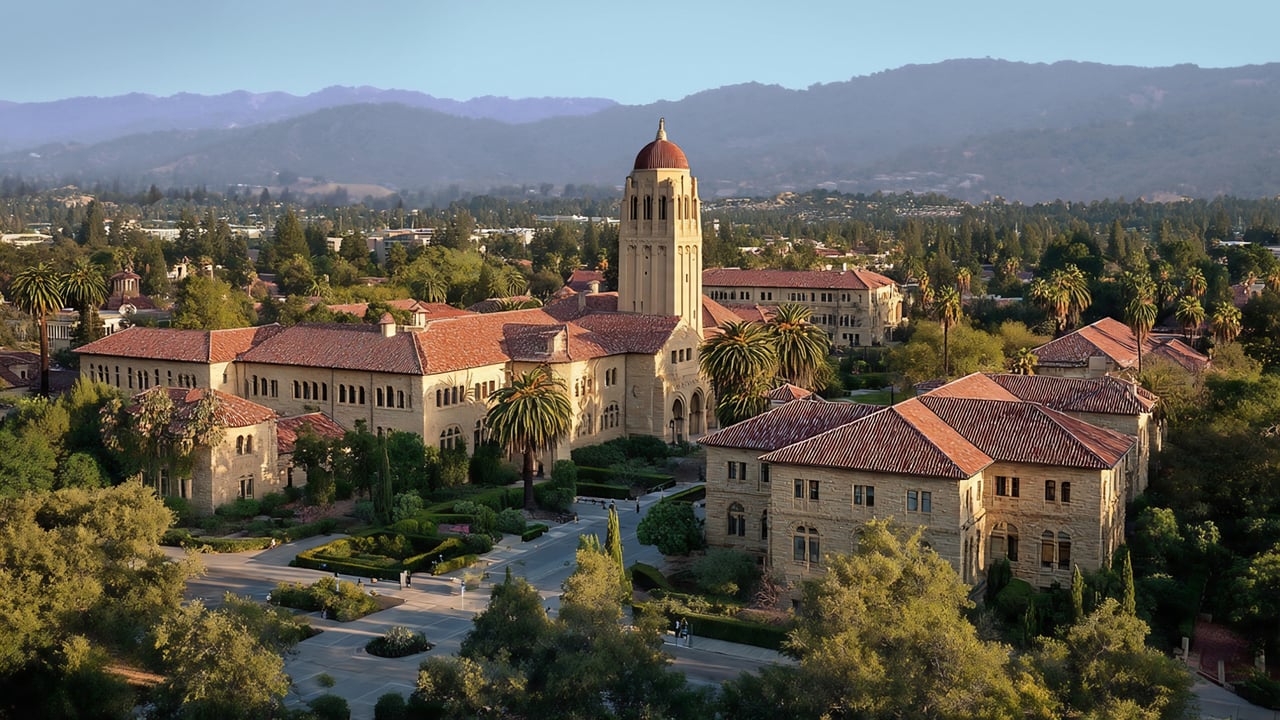
The symbol of Palo Alto and Stanford University is a tall tree—and trees are exactly what you find in the city. Over 36,000 trees grace the streets and neighborhoods, while the hills to the west are covered with oak, Douglas fir, and redwoods. In 1769, while exploring the region, Don Gaspar de Portolá and his party camped near what is now Stanford University, naming the area El Palo Alto (“The Tall Stick”) for the large trees. These hillside trees became the area's first economic resource, as sawmills worked tirelessly to provide wood for the burgeoning city of San Francisco during the Gold Rush. Around this time, a town called Mayfield was established in 1853.
 
The community began to grow roots in 1863 when the train line between San Jose and San Francisco—and onward to the Gold Country—established a station there. Leland Stanford created a large ranch on the land that is now Stanford University, raising record-setting racehorses. After the tragic death of his son, Leland Stanford founded the university in his honor and established University Park to provide a community for the college. The area continued to expand and incorporated as the city of Palo Alto in 1894.
 
With Stanford University as an anchor, research and innovation became central to Palo Alto’s culture. By the 1950s, industrial expansion positioned the city as a spark behind the computer and technological revolution. Hewlett-Packard was founded in 1940 by David Packard and William Hewlett, and with the technological demands of World War II, Palo Alto became a hub for high-tech innovation. Many of the devices we rely on today—televisions, computers, cell phones, and medical devices—were developed or refined by innovators with Palo Alto or Stanford University connections.
 
Today, more than 7,000 businesses call Palo Alto home. Many of the biggest names in technology—Facebook, Google, Apple, Tesla, and Hewlett-Packard—either originated in Palo Alto or maintain major research and production facilities nearby, providing a wealth of job opportunities.
 
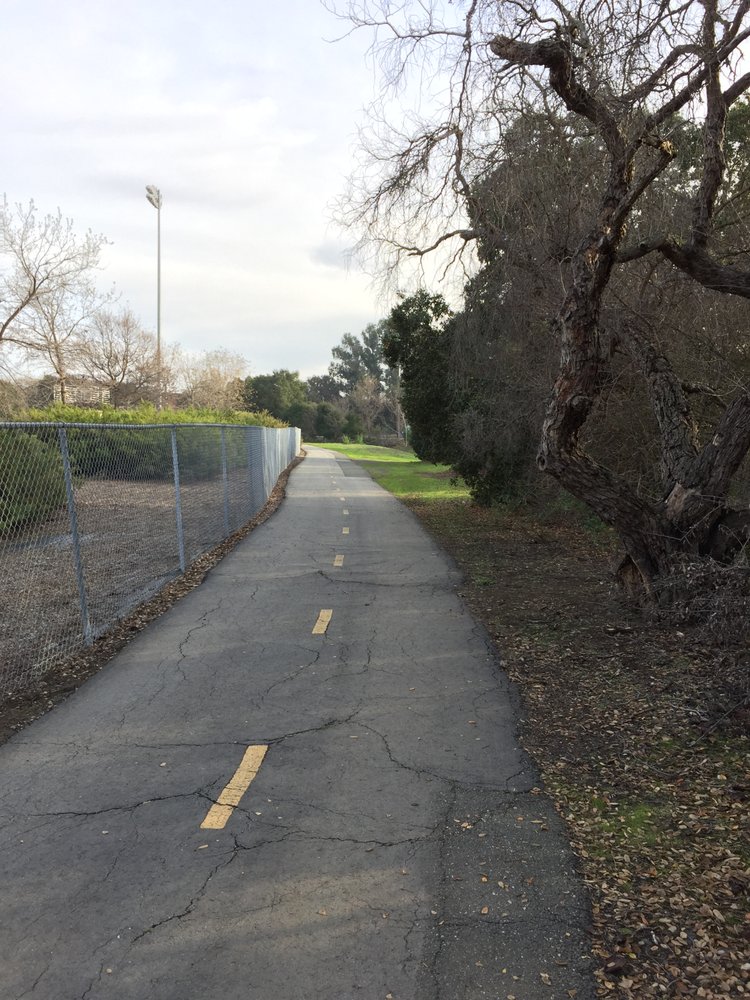
Founded to provide housing for Stanford University, Palo Alto retains a college-town feel while supporting the infrastructure of the modern technological era. The city remains devoted to nature, offering numerous parks and access to hiking trails in both the mountains and along the bay. It is also widely recognized as one of the most bicycle-friendly towns in the country.
 
Beyond local attractions, Palo Alto benefits from Northern California’s broader allure—from the natural wonders of national parks to the urban excitement of San Francisco. With a mild climate, abundant outdoor opportunities, fine dining, and innovative shopping experiences, Palo Alto continues to serve as the heartbeat of both current and future Silicon Valley.

Neighborhood Gallery

Palo Alto

service guided by a higher standard

From first conversation to final signature, you're guided with intention, care and unwavering integrity.