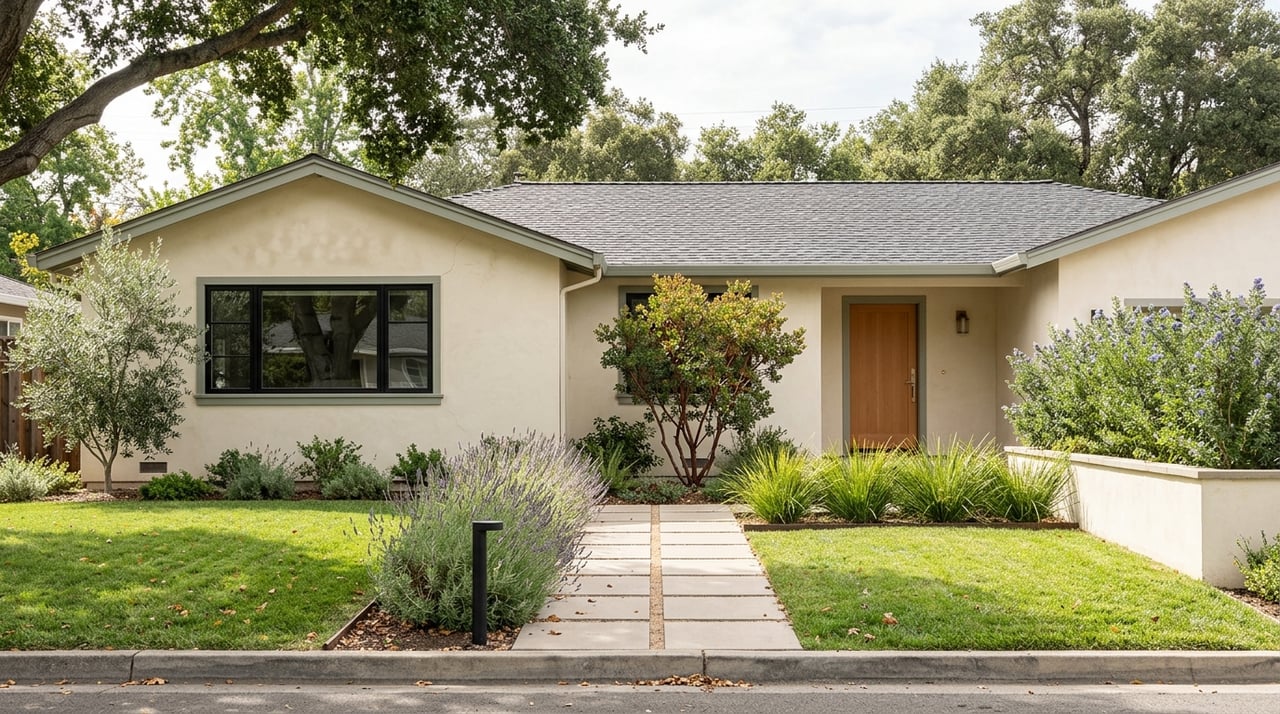
Helping Parents Transition From A Longtime Campbell Home
July 2, 2026
July 2, 2026
If your parents have lived in the same Campbell home for decades, the next step can feel bigger than real estate. It is often tied to routines, memories, independence, and the question of how to balance safety with dignity. The good news is that this decision does not have to be rushed, and Campbell offers real local context and support that can help you plan thoughtfully. Let’s walk through what to consider.
Before you talk about listing timelines, repairs, or moving boxes, start with one simple question: What does your parent want next? Some older adults want to stay in the home as long as possible. Others want less upkeep, a smaller space, or more day-to-day support.
That conversation matters in Campbell, where many longtime owners have built substantial equity. According to the U.S. Census Bureau’s 2020-2024 ACS QuickFacts, the median owner-occupied home value in Campbell is $1,617,000. For many families, that means the home is not just a residence. It is also a major financial asset that may create options.
Campbell also has a meaningful older-adult population. The ACS reports that 16.6% of residents are age 65 and older, and the city’s housing planning has specifically recognized the need for senior housing options, aging in place, and downsizing within the community. That makes this a common local transition, even if it feels deeply personal in your own family.
A longtime home in Campbell often carries more than market value. The city places emphasis on historic preservation and the architectural integrity of established residential areas, which reflects how many homes here are woven into the character of the community.
For your family, that can show up as hesitation around change. A parent may feel attached to a familiar layout, a garden they have cared for, or a neighborhood routine they know by heart. Those feelings are valid, and they should be part of the decision-making process.
Most families helping a parent transition from a longtime Campbell home are really evaluating three directions.
If your parent wants to remain in place, the focus usually shifts to safety, accessibility, and manageable upkeep. Campbell’s housing planning notes that senior homeowners may need support with maintenance or assistive devices, which makes practical home evaluation an important first step.
You may want to look at:
Campbell’s remodel guide specifically covers common projects such as bathroom and kitchen remodels, window replacement, foundation repair, interior ADUs, and garage conversions. The city also states that construction requires permits, and some condo, townhome, or planned-development work may also need HOA approval.
Some parents want to stay in Campbell or nearby but move into a home with less maintenance. That could mean a condo, townhome, or smaller single-family property that better fits current needs.
This path can preserve independence while reducing the physical demands of a larger property. It can also make financial planning more flexible, especially when a parent has substantial equity in the current home.
In some cases, the right move is one that offers more daily assistance. Campbell’s housing-element analysis notes that the city has 14 assisted-living facilities for seniors, and local planning documents recognize the need for a range of housing and support options as residents age.
This path is not about giving something up. It is about matching living arrangements to current needs, comfort, and safety.
One of the most helpful parts of planning in Campbell is that your parent may not need to choose between full independence and an immediate move. Local and county programs can support daily life while your family evaluates next steps.
Campbell’s Adult Center serves adults age 50 and older and offers recreational, social, and educational programs. The city also runs a Senior Lunch Program for residents age 60 and older, and R.Y.D.E. transportation serves Campbell residents age 65 and older.
The city also offers a L.I.F.E. file, which is designed to keep important medical information available for emergency responders. For some families, small tools like this can be part of making the current home safer while a larger plan comes together.
At the county level, Santa Clara County’s Department of Aging and Adult Services points residents to resources such as Sourcewise, IHSS, Meals on Wheels, and related support programs. The county also states that IHSS helps eligible disabled individuals remain safely in their own homes, and county nutrition programs include both congregate meal sites and home-delivered meals for qualifying older adults.
A common question is whether to update the home, complete only essential repairs, or sell it as-is. In Campbell, that decision should start with a clear look at permits and project scope.
The city’s Building Division approves plans and issues permits for construction in Campbell, and the single-family remodel guide is a useful reality check for what counts as a permit-driven project. A family may assume a change is minor, only to learn that the work needs city review.
If your parent’s home is older, it is also smart to check whether there are historic or site-related considerations. Campbell maintains a Historic Resource Inventory, identifies potentially eligible historic properties, and also tracks heritage trees. That means exterior changes, demolition, or major yard work may deserve a quick city review before plans move forward.
If your parent is age 55 or older and considering a move, Proposition 19 is one of the most important California tax rules to understand.
According to the California Board of Equalization, eligible homeowners age 55 or older, severely and permanently disabled homeowners, and disaster victims can transfer their base-year value to a replacement primary residence anywhere in California within two years of the sale. The BOE also states that qualifying homeowners can use this transfer up to three times.
If the replacement home is of equal or lesser value, the original base-year value transfers without adjustment. If the replacement home costs more, the excess value is added. For families comparing options, this can have a major impact on long-term housing costs.
The BOE says the Proposition 19 claim is filed with the county assessor after both transactions are complete and the owner is living in the replacement home. It is not handled through escrow.
The BOE also says that if the replacement property is purchased before the original home is sold, the owner pays property taxes based on the replacement home’s full fair market value until the sale closes. There is no refund for that interim period. That timing detail can affect both budgeting and move strategy.
Families are often surprised by how much Proposition 19 changed inherited property rules. If you are helping with a parent’s long-term planning or estate-related decisions, it is worth understanding the limits.
The BOE states that the parent-child exclusion now applies only when the transferred family home was the transferor’s principal residence and becomes the transferee’s principal residence, or when the property is a family farm. Rental homes do not qualify.
The BOE also says the exclusion limit is the current taxable value plus $1 million, adjusted every two years, and at least one eligible transferee must continually live in the property to keep the exclusion. In practical terms, families should not assume a longtime Campbell home will keep its old tax treatment after transfer.
The smoothest family moves usually happen when everyone stops treating this as a single transaction and starts treating it as a transition plan.
A good plan may include:
This is where construction-informed planning can be especially helpful. If you are weighing updates versus selling as-is, the right advice is not only about resale value. It is also about cost, disruption, permit realities, and whether the work supports your parent’s actual goals.
In a city like Campbell, where many longtime owners have meaningful equity and strong community ties, the best next step is rarely one-size-fits-all. Some families need a plan to age in place safely. Others need help preparing a beloved home for sale. Still others are trying to coordinate timing, tax questions, and a move that protects both dignity and value.
What matters most is making a decision with good local information, realistic support, and a pace that respects your parent’s experience. When you approach the process with care, you can protect more than the property. You can protect peace of mind for the whole family.
If you are helping a parent think through staying, downsizing, or selling a longtime Campbell home, Jacqueline Renovato offers thoughtful, local guidance shaped by real estate experience, aging-in-place planning, and construction-informed strategy.
Stay up to date on the latest real estate trends.







From first conversation to final signature, you're guided with intention, care and unwavering integrity.