Leave a Message

Thank you for your message. I will be in touch with you shortly.

Explore My Properties
Cupertino

Cupertino

The natural heritage of the city is echoed by its large number of parks and nature preserves.

Overview for Cupertino, CA

61,109 people live in Cupertino, where the median age is 40.7 and the average individual income is $105,625. Data provided by the U.S. Census Bureau.

61,109

Total Population

40.7 years

Median Age

High

Population Density Population Density This is the number of people per square mile in a neighborhood.

$105,625

Average individual Income

Schools in Cupertino, CA

All ()
Primary Schools ()
Middle Schools ()
High Schools ()
Mixed Schools ()
The following schools are within or nearby Cupertino. The rating and statistics can serve as a starting point to make baseline comparisons on the right schools for your family. Data provided by the U.S. Census Bureau.
Type
Name
Category
Grades
School rating

Around Cupertino, CA

There's plenty to do around Cupertino, including shopping, dining, nightlife, parks, and more. Data provided by Walk Score and Yelp.

6
Car-Dependent
Walking Score
19
Somewhat Bikeable
Bike Score

Points of Interest

Explore popular things to do in the area, including Cupertino Kung-fu Club, Studio Brow by TC, and Cocoa Hair Studio.

Name Category Distance Reviews
Ratings by Yelp
Active 1.1 miles 9 reviews 5/5 stars
Beauty 4.65 miles 14 reviews 5/5 stars
Beauty 2.85 miles 5 reviews 5/5 stars

Demographics and Employment Data for Cupertino, CA

Cupertino has 21,960 households, with an average household size of 2.76. Data provided by the U.S. Census Bureau. Here’s what the people living in Cupertino do for work — and how long it takes them to get there. Data provided by the U.S. Census Bureau. 61,109 people call Cupertino home. The population density is 2,458.08 and the largest age group is Data provided by the U.S. Census Bureau.

61,109

Total Population

High

Population Density Population Density This is the number of people per square mile in a neighborhood.

40.7

Median Age

52.65 / 47.35%

Men vs Women

Population by Age Group

0-9:

0-9 Years

10-17:

10-17 Years

18-24:

18-24 Years

25-64:

25-64 Years

65-74:

65-74 Years

75+:

75+ Years

Education Level

  • Less Than 9th Grade
  • High School Degree
  • Associate Degree
  • Bachelor Degree
  • Graduate Degree
21,960

Total Households

2.76

Average Household Size

$105,625

Average individual Income

Households with Children

With Children:

Without Children:

Marital Status

Married
Single
Divorced
Separated

Blue vs White Collar Workers

Blue Collar:

White Collar:
Commute Time

0 to 14 Minutes
15 to 29 Minutes
30 to 59 Minutes
60+ Minutes

Property Listings

Search Homes

Welcome to Cupertino

Cupertino History and Lifestyle - Stu Shepherd | Renovato & Co.

What is it like to live in Cupertino?
 
Cupertino can be called an impromptu city, for it only came into existence in the middle of the twentieth century in order to retain its own sense of heritage and identity by not becoming just another neighborhood in one of the larger nearby cities. Its name originated in 1776 when Captain Juan Bautista de Anza led an expedition from Mexico up the coast of California to establish a fort on San Francisco Bay; on the way, the stream which is now known as Stevens Creek received the name of "Arroyo San Jose de Cupertino."
 
For most of the next two centuries, the Cupertino area and foothills hosted orchards and vineyards, with wonderful weather and the proliferation of blossoms helping brand the Santa Clara Valley as "The Valley of Heart's Delight." The natural heritage of the city is echoed by its large number of parks and nature preserves.
 
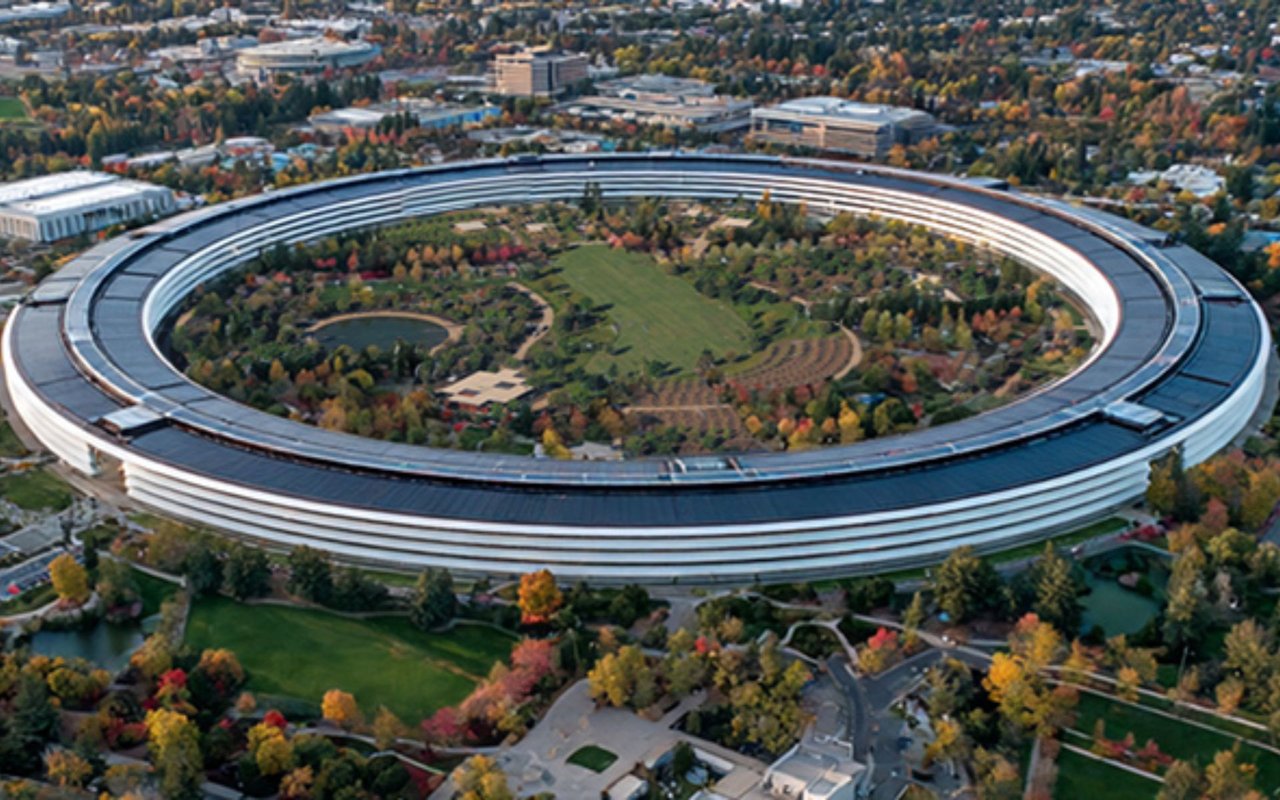
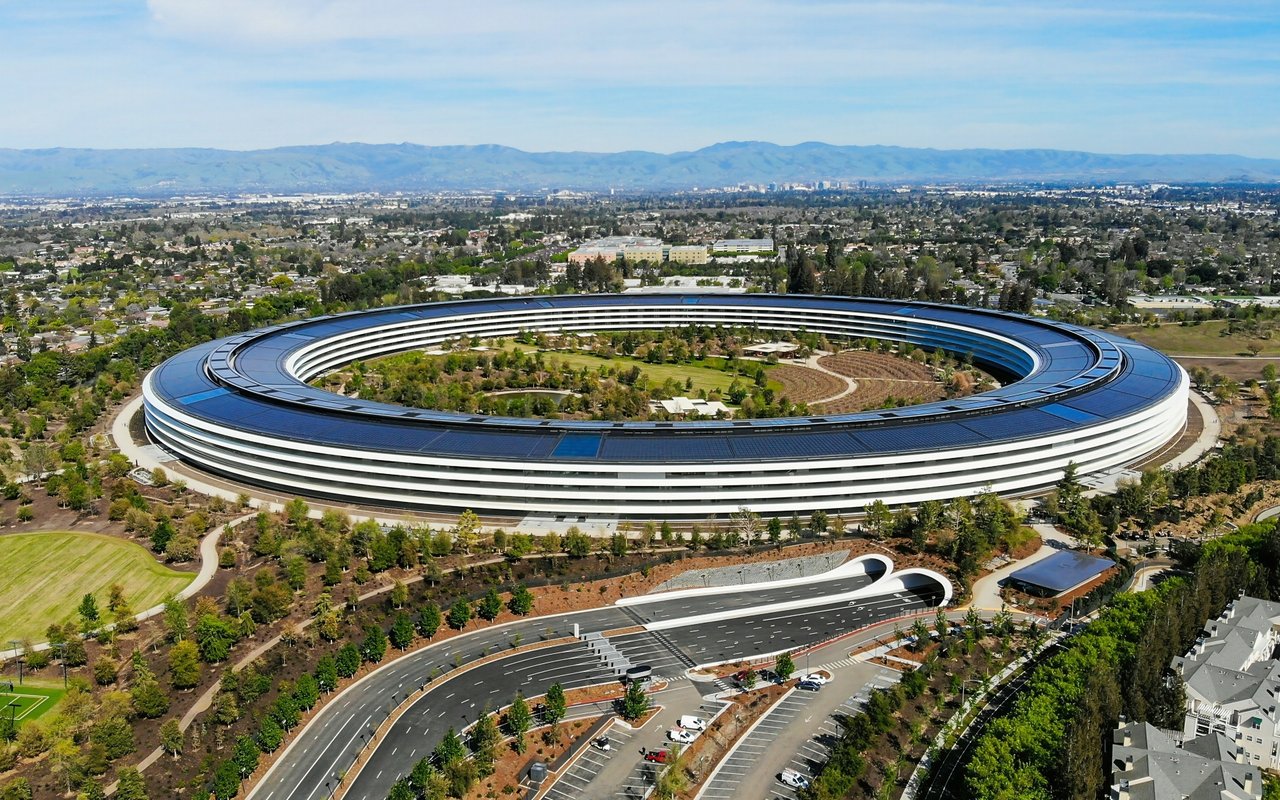
With the end of World War II, a population explosion engulfed the region. Cupertino was incorporated in 1955, growing with the population boom of the 1960s, and becoming a modern city with the opening of its own college, De Anza, in 1967. During the next decade, VALLCO Park served as one of the first tech development sites in the Valley (to become a regional shopping hub later). While little manufacturing happens in the city, it remains a center of research and development. In 1977, Apple Computers located in Cupertino, and since then has revolutionized much of our technological world. As one of the largest companies in the world, Apple has firmly kept its Cupertino roots, both with the new and unique circular Apple headquarters at Apple Park (called by many "The Spaceship"), and by the fact that the default time zone on all Apple devices lists "Cupertino" for Pacific Time.
 
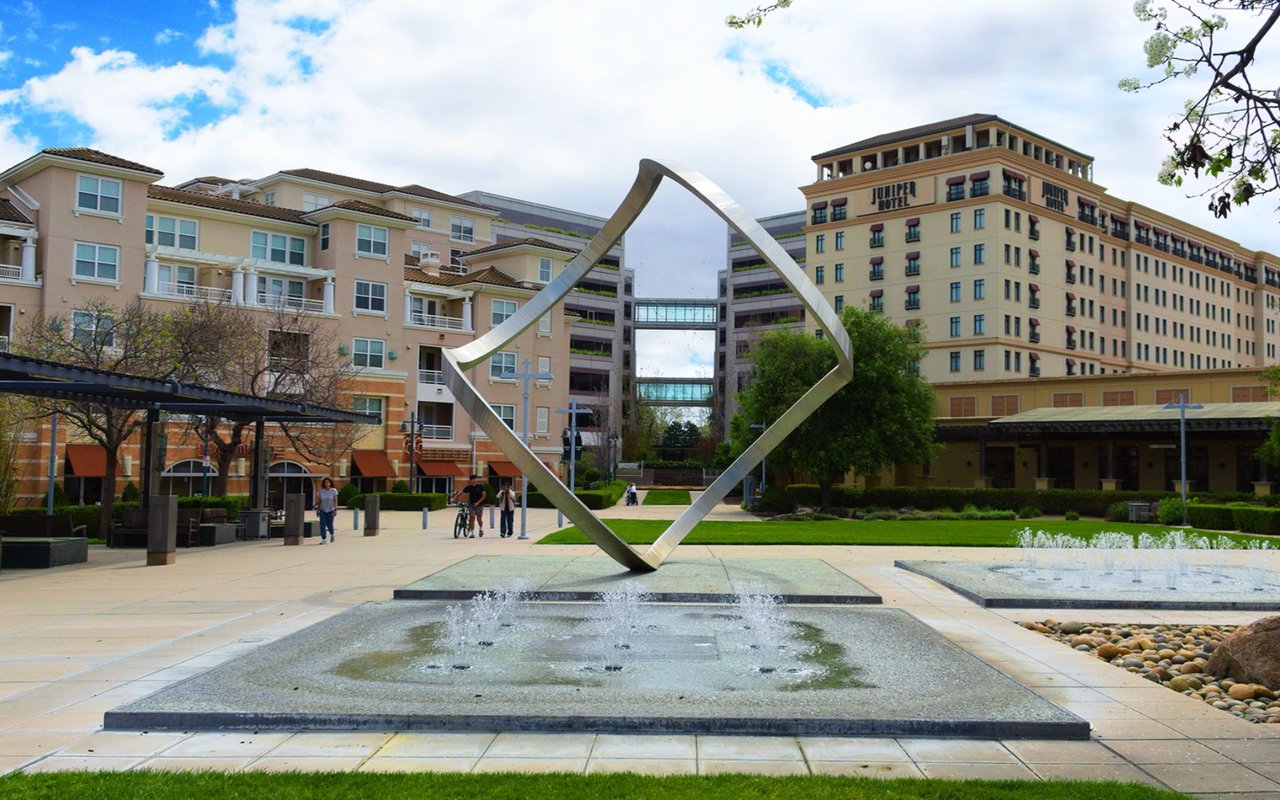
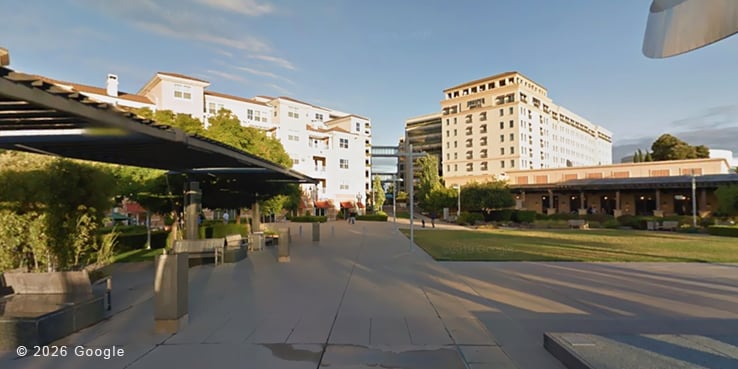
With no real downtown, De Anza College serves as the default social hub of the city. With twenty thousand students, the college brings an influx of residents from other South Bay cities. Its Flint Center provides a venue for theater and concerts as well as hosted some of Apple’s most influential product-reveal events in history. Other events are held in the Cali Mill Plaza, at the Cupertino City Center, and Cupertino Veterans Memorial Park.
 
With the explosion of the High-Tech industry starting in the 1970s, Cupertino found itself a desired location for workers. In order to keep up with the demands, the school system worked hard to provide the highest quality education—so much so that by the 1990s people were moving from all over the world to Cupertino just to give their youth a chance to go to Cupertino schools.
 
Cupertino has the advantage of quick access to the High-Tech corridor just to the north. With the 280 freeway going through from east to west, it has always had easy access to the Peninsula, San Francisco, and San Jose. With the opening of the 85 "West Valley" freeway in the early 1990s, access from the suburbs to the south placed Cupertino at a crossroads, giving faster access to the 101 Tech corridor. Many tech workers commute through Cupertino, but those lucky enough to live there find themselves already near work.
 
While Cupertino did not grow as a traditional city, its heart beats as a distinct and vibrant neighborhood, which enjoys wonderful weather, close access to accessible nature, quality education, and high-paying jobs.
 

References


Summary:

Cupertino can be called an impromptu city, for it only came into existence in the middle of the twentieth century in order to retain its own sense of heritage and identity by not becoming just another neighborhood in one of the larger nearby cities. With a vineyard and orchard heritage, the area found itself at the crossroads of the technological revolution and is now most famous as the headquarters for Apple Computers (Apple, Inc.). With its wonderful weather and easy access to the technological heart of Silicon Valley, Cupertino is a highly desired location for high-tech workers.

Neighborhood Gallery

Cupertino
Cupertino
Cupertino

service guided by a higher standard

From first conversation to final signature, you're guided with intention, care and unwavering integrity.